
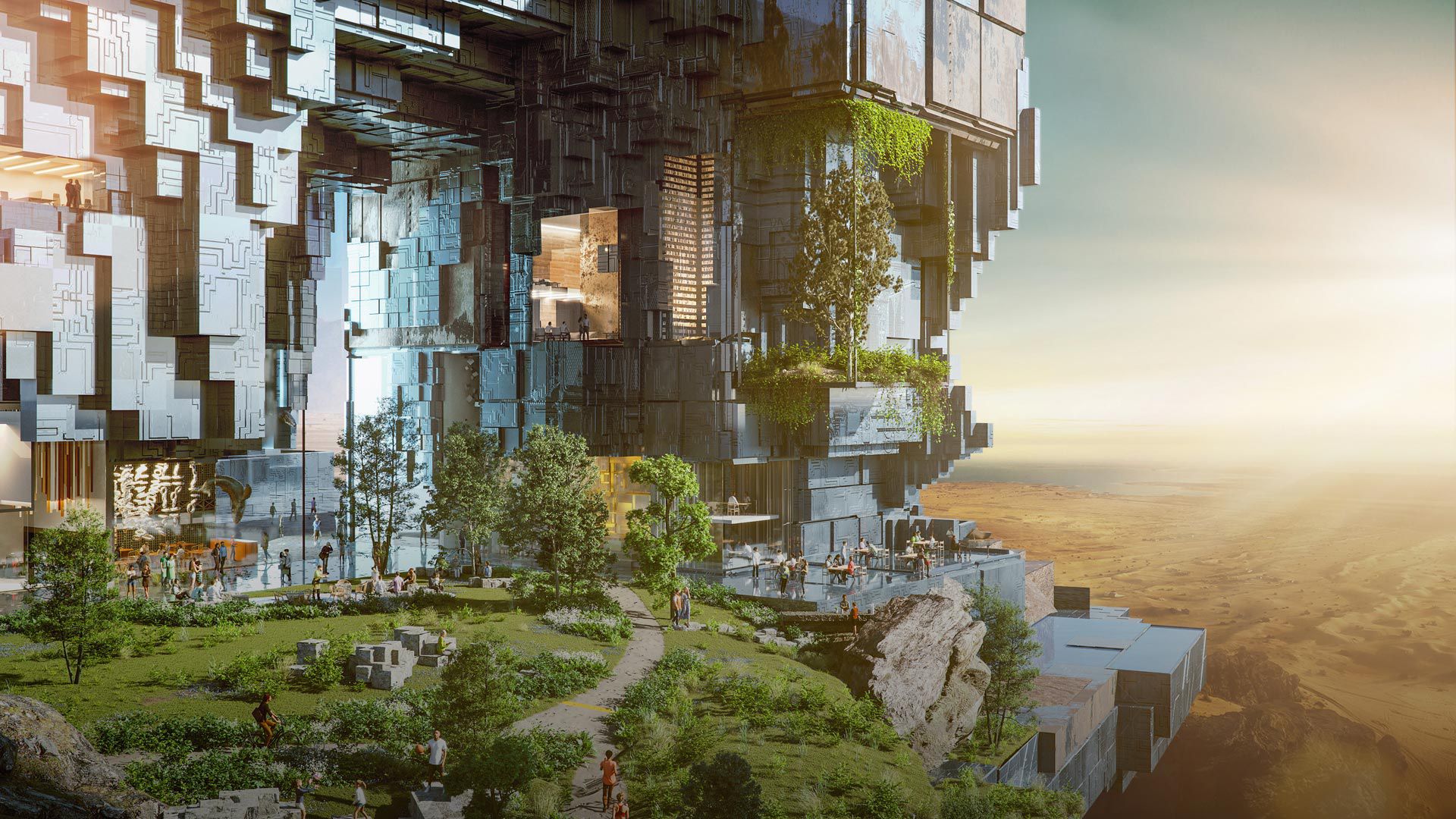
Large-scale future-city proposals promise zero-emission districts, artificial intelligence, smart infrastructure and new models of mobility. They can also demand extraordinary capital while avoiding the difficult work of improving existing cities.
The more useful comparison is often between building entirely new urban systems and retrofitting what already exists: better public transport, energy-efficient buildings, green space, mixed-use neighbourhoods and stronger public infrastructure.
Innovation matters, but its value should be judged by whether it improves everyday urban life — not simply by how dramatic the rendering looks.